Incentive Sharing Networks Transform Player Recruitment Across Betting and Casino Platforms
Quinn Friedrich · Nov 3, 2026
Incentive Sharing Networks Transform Player Recruitment Across Betting and Casino Platforms
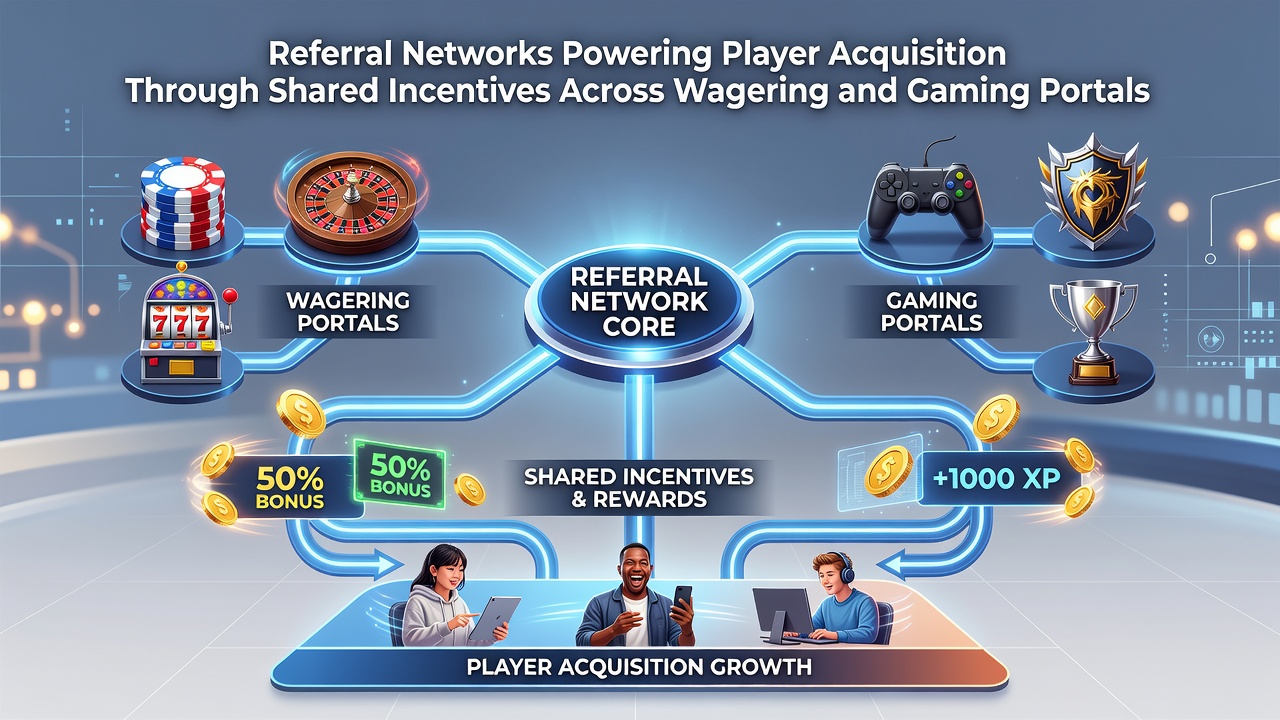
Referral networks operate as structured systems that connect multiple wagering and gaming platforms through mutual reward structures, allowing operators to acquire players while distributing incentives across participating sites. These arrangements typically involve affiliate-style partnerships where existing users receive credits or revenue shares when they refer new participants who engage with both betting and casino offerings. Data from industry analyses show that such networks have expanded in recent years because they reduce direct marketing costs while creating cross-platform engagement loops. Operators integrate referral mechanisms by embedding unique tracking codes into user accounts, which then trigger bonus releases once referred players meet deposit or activity thresholds. This process spans sportsbooks and slot-focused portals, where a single referral can unlock layered rewards such as matched deposits on one site and free spins on another. Observers note that the model encourages sustained participation because incentives accumulate over time rather than appearing as isolated one-time offers.Mechanics of Shared Incentive Structures
Shared incentives function through tiered commission models that allocate portions of player activity back to both the referrer and the originating network partner. When a user from a wagering portal refers someone to a connected gaming site, the system calculates revenue shares based on net gaming revenue generated within defined periods. These calculations often incorporate sliding scales that increase payouts as referred volume grows, creating stronger retention loops across the network.
Platforms participating in these networks synchronize their terms so that eligibility criteria align, for instance requiring a minimum stake on sports markets before unlocking casino trial credits. This synchronization reduces friction for users moving between environments and supports higher conversion rates from initial referrals. Research from academic institutions tracking digital entertainment economies indicates that aligned incentive timing correlates with extended player lifecycles compared to standalone bonus campaigns.
Cross-Platform Acquisition Patterns
Acquisition through referral networks shows distinct patterns where players acquired via wagering portals demonstrate higher initial engagement with gaming sections once incentives bridge the two categories. Conversely, users entering through casino-focused sites often explore betting options when shared rewards extend across both verticals. The pattern holds because networks program their tracking systems to recognize multi-category activity within the same user session or account lifecycle.
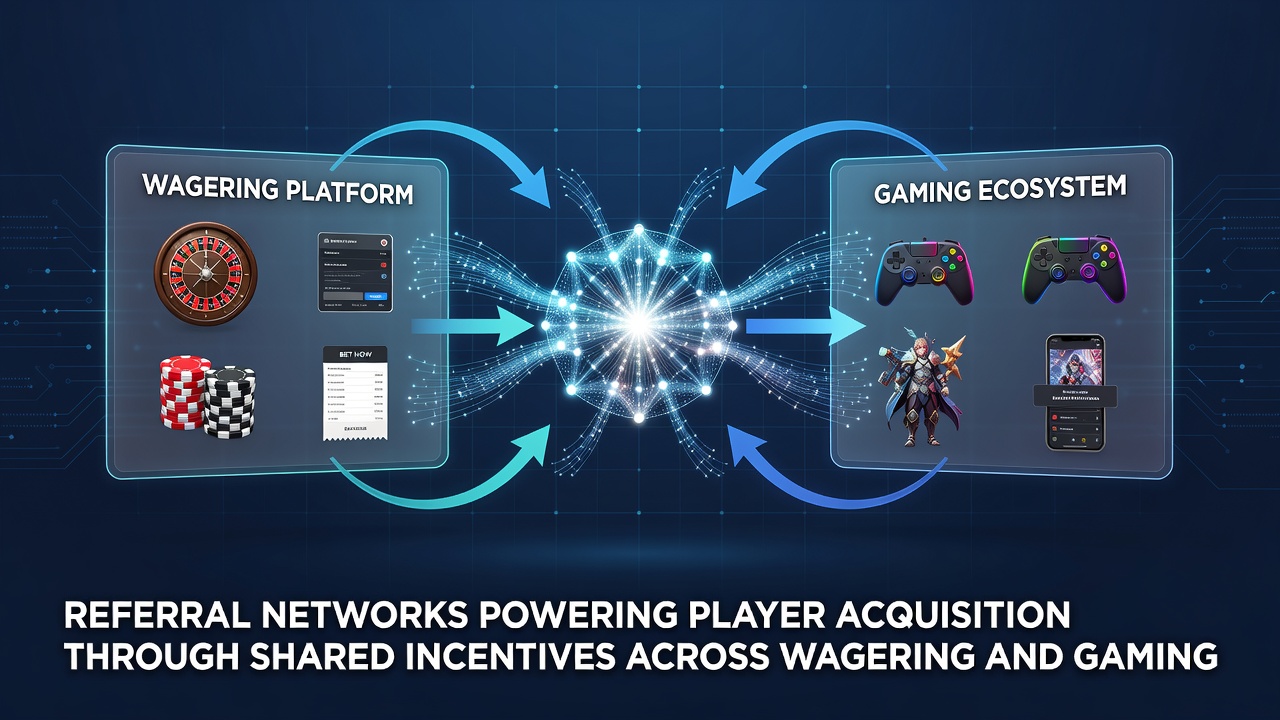
By November 2026, several major portal groups had reported measurable lifts in new account creation traceable to expanded referral linkages. These increases occurred alongside adjustments in bonus structures that rewarded cross-category referrals more generously than single-vertical ones. Industry organizations such as the European Gaming and Betting Association have documented similar shifts in European markets where regulatory frameworks permit multi-license operations.
Technical Integration and Compliance Considerations
Technical setups rely on secure API connections that pass referral identifiers between platforms while maintaining data privacy standards. Compliance teams monitor these flows to ensure that incentive distribution adheres to local licensing conditions, particularly regarding bonus fairness and player fund segregation. Regulators in multiple jurisdictions require transparent disclosure of referral terms within user agreements so participants understand how rewards calculate and when they trigger.
One case highlighted by researchers at the University of Nevada involved a network spanning several North American operators where shared incentive tracking reduced customer acquisition cost by measurable percentages over a twelve-month window. The study noted that the savings stemmed from organic growth within the network rather than paid advertising channels. Similar observations appear in reports issued by the American Gaming Association, which tracks referral-driven player movement across licensed markets.
Future Trajectory for Network Expansion
Expansion continues as more operators recognize that referral networks can scale acquisition without proportional increases in traditional marketing spend. New entrants to the space often begin by connecting with established networks rather than building standalone affiliate programs, allowing faster access to verified user bases. The model supports incremental growth because each new connection multiplies potential referral pathways without requiring separate infrastructure builds.
Conclusion
Referral networks that distribute shared incentives across wagering and gaming portals have established themselves as efficient channels for player acquisition. Their continued operation depends on precise technical coordination, regulatory alignment, and incentive structures that encourage sustained cross-platform activity. As more platforms adopt these frameworks, the volume of player movement between categories is expected to rise, supported by the data flows and reward mechanisms already in place.